Tree Surgery: What Homeowners Should Know About Professional Tree Care in Gamston, Nottingham
Trees are an important feature of many gardens, providing shade, privacy and natural beauty. However, as trees mature, they may develop damaged branches, excessive growth or signs of disease that require professional attention. Understanding how to care for trees properly helps homeowners maintain their condition while managing potential risks around their property.
For homeowners in Gamston, Nottingham, professional tree surgery can help keep trees healthy, well maintained and suitable for their surroundings. Gamston Tree Surgeons provides specialist tree care services, helping property owners identify problems and choose appropriate solutions based on the condition and needs of their trees.
What Is Tree Surgery and Why Is It Important?
Tree surgery involves the professional care and management of trees through techniques such as pruning, crown reduction, deadwood removal and, where necessary, tree felling. The aim is to maintain suitable growth, address specific problems and manage trees in relation to their surroundings.
Different trees require different approaches. Some benefit from occasional pruning to remove damaged branches, while others may need more detailed assessment because of structural weaknesses, disease or restricted growing space.
Professional tree care is important because poorly planned cutting can damage a tree, encourage weak regrowth or affect its natural structure. A qualified tree surgeon can assess the tree before recommending work, helping homeowners avoid unnecessary intervention and make informed decisions about long-term care.
1. Recognising When a Tree Needs Professional Attention
Trees can show signs of deterioration gradually, so changes are not always immediately obvious. Regularly observing the condition of your trees can help you identify issues before they become more serious.
Common warning signs include:
- Dead, broken or hanging branches.
- Cracks or splits in the trunk or major limbs.
- Unusual leaf discolouration or thinning foliage.
- Fungal growth around the trunk or base.
- Branches extending towards roofs, paths or other structures.
- Sudden leaning or disturbed ground around the roots.
These symptoms do not always mean a tree must be removed. For example, selective pruning may address damaged branches, while other concerns may require a more detailed assessment of the tree’s structure and growing conditions.
If you notice sudden movement, significant cracking or a large broken branch, keep clear of the affected area and seek professional advice promptly.
2. How Regular Tree Pruning Supports Healthy Growth
Pruning is one of the most common tree surgery services. It involves selectively removing branches to improve the tree’s structure, address damaged growth or manage its size in relation to nearby features.
Removing dead or broken branches can reduce certain hazards and help maintain the canopy. Pruning may also address branches that cross and rub against one another or growth that interferes with access around a property.
However, pruning should be carried out carefully. Removing too much foliage can place stress on a tree, while inappropriate cuts may affect its natural shape and encourage weak regrowth.
Gamston Tree Surgeons can assess the tree’s species, condition and growth pattern to determine which branches, if any, should be removed. This helps ensure that pruning serves a clear purpose rather than simply reducing the canopy unnecessarily.
3. Managing Overgrown Trees Around Your Property
As trees grow, their branches may extend over buildings, pathways, driveways and garden areas. This can reduce natural light, obstruct access or cause branches to come into contact with nearby structures.
The appropriate solution depends on the tree and the specific concern. Crown reduction can help manage the overall size and spread of a suitable tree, while crown thinning selectively reduces canopy density without substantially changing its shape. In other situations, removing a small number of poorly positioned branches may be sufficient.
Professional assessment is particularly useful for mature trees because their structure and response to pruning need careful consideration. The objective is to manage growth while preserving the tree’s health and natural appearance wherever possible.
4. Understanding Tree Health and Signs of Disease
Trees may become stressed by changes in growing conditions, root disturbance, pests or disease. Symptoms can include premature leaf loss, dead branches, unusual growths and deterioration of the bark.
Some signs are seasonal or harmless, while others may indicate a more serious issue. For this reason, it is important not to assume that every discoloured leaf or fungal growth requires the same treatment.
A professional tree surgeon can examine the visible symptoms, assess the tree’s overall condition and advise on suitable management. Depending on the findings, this may involve selective pruning, monitoring or further specialist assessment.
Early attention can help homeowners understand what is affecting their trees and whether intervention is necessary.
5. When Is Tree Felling Necessary?
Tree felling involves removing a tree and may be considered when it is dead, severely damaged, structurally compromised or unsuitable for its location. However, removal is not always the first or only option.
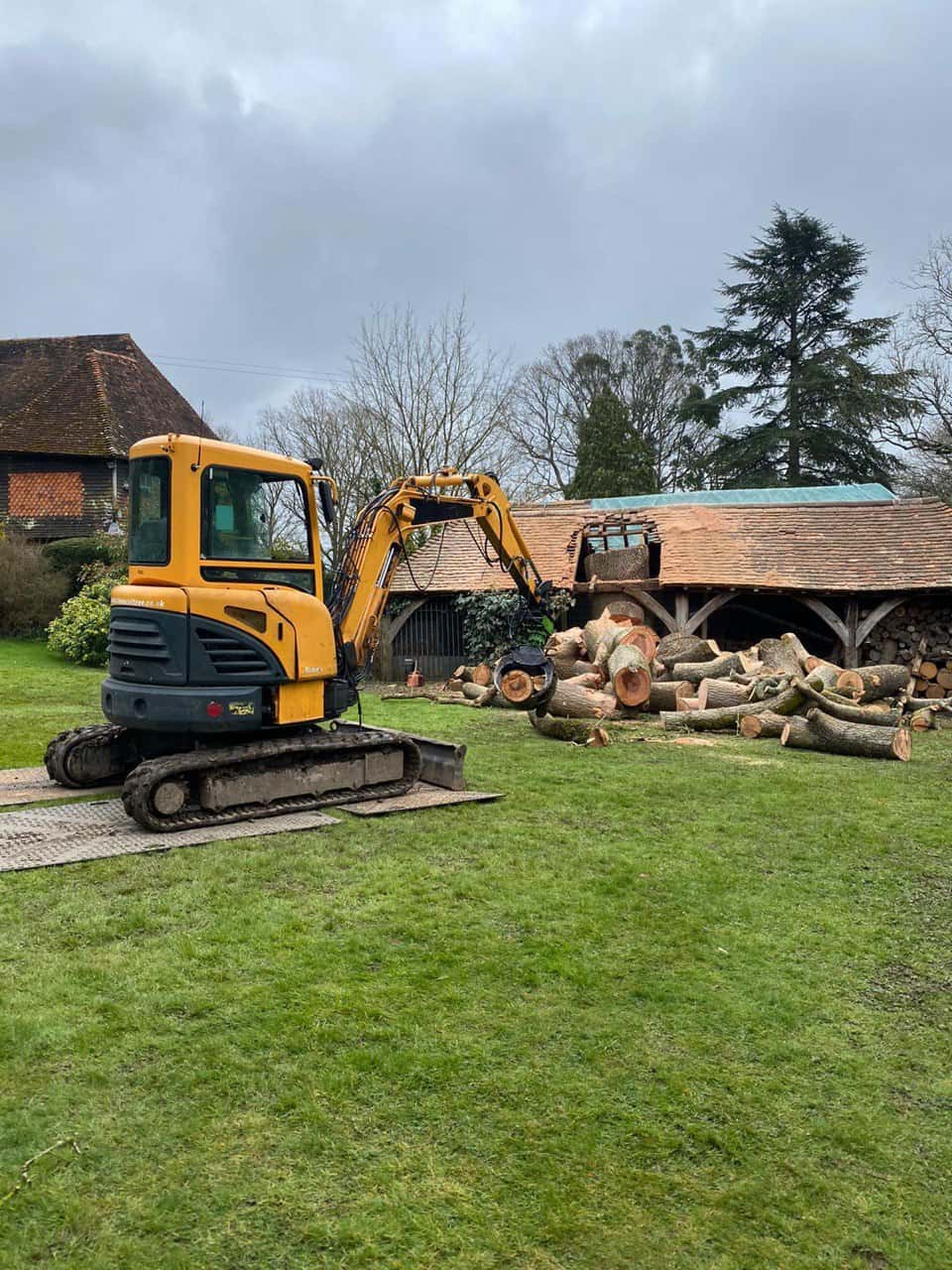
Where a tree can be retained safely, pruning or other management may resolve the concern. If removal is necessary, the method depends on the tree’s size, condition and available space. Trees in confined gardens may need to be dismantled in sections rather than felled in one direction.
Tree felling requires appropriate equipment, careful planning and professional expertise. Gamston Tree Surgeons can assess the situation and explain whether removal or an alternative tree care solution is most appropriate.
6. Why Professional Tree Surgery Matters
Tree work can involve heavy branches, elevated working positions and unpredictable changes in the tree’s balance. Attempting to remove large limbs or cut down a tree without the correct training and equipment can create serious risks.
Professional tree surgeons understand how to assess branch structure, plan suitable cuts and work around buildings, fences and other obstacles. They can also identify when a particular tree should be pruned rather than subjected to more extensive work.
For homeowners in Gamston, Nottingham, professional tree surgery provides a practical way to maintain trees while addressing concerns specific to their property.
How Often Should Trees Be Inspected?
There is no single inspection schedule suitable for every tree. The frequency depends on factors such as species, age, condition, location and previous problems.
Trees close to buildings, frequently used garden areas or access routes may warrant closer monitoring. Homeowners should also pay attention to changes following strong winds or periods of heavy rainfall, particularly if branches have broken or the ground around a tree has shifted.
If you are uncertain about a tree’s condition, a professional assessment can help establish whether work is needed and what maintenance may be appropriate.
Conclusion
Professional tree care helps homeowners manage growth, identify potential problems and maintain the health and appearance of their trees. From routine pruning and deadwood removal to managing diseased trees or assessing whether felling is necessary, the right approach depends on each tree’s condition and surroundings.
If you have concerns about the trees on your property in Gamston, Nottingham, Gamston Tree Surgeons can assess their condition and recommend suitable tree surgery services. Contact the team to arrange a professional assessment and help keep your trees well maintained.
Call us on: 0115 697 1170
Click here to find out more about Gamston Tree Surgeons
Click here to complete our contact form and see how we can help with your tree needs.